PCOD Guide: Symptoms, Causes & Treatment
Comprehensive guide to PCOD covering symptoms, causes, diagnosis, treatment, pregnancy concerns, and lifestyle management. Get expert answers to your PCOD questions.

Understanding Symptoms, Causes, Treatment, and Living with PCOD
Polycystic Ovarian Disease (PCOD) affects millions of women worldwide, yet many remain undiagnosed or struggle to find comprehensive information. If you're experiencing irregular periods, unexplained weight gain, or fertility concerns, understanding PCOD is crucial for better health management.
What is the Reason for PCOD?
PCOD develops when the ovaries produce abnormal amounts of androgens (male hormones), interfering with normal egg development and release. The exact cause isn't fully understood, but involves a complex interaction of factors.
Insulin resistance affects up to 70% of women with PCOD. When cells resist insulin, the pancreas produces excess insulin, triggering ovaries to produce more androgens and disrupting menstrual cycles. Genetic predisposition plays a major role—having a mother or sister with PCOD significantly increases risk. Low-grade inflammation also contributes, as elevated inflammatory markers stimulate androgen production. Environmental factors including poor diet, sedentary lifestyle, and chronic stress can trigger or worsen hormonal imbalances in genetically predisposed individuals.
🌟 Struggling with PCOD Symptoms?
As a certified Health Coach and Nutritionist specializing in PCOD management, I help women naturally balance hormones through personalized nutrition plans, lifestyle modifications, and sustainable habit changes.
📱 Quick Question? WhatsApp me: +91 7057063984
📅 Book Your Free 30-Min Consultation: Schedule Now (Online or In-Person)
What are the Symptoms of PCOD in Females?
PCOD symptoms vary significantly in severity. Menstrual irregularities are most common—cycles longer than 35 days, absent periods for months, or heavy bleeding. Excess androgen symptoms include hirsutism (facial and body hair growth), severe acne especially along the jawline, and male-pattern hair thinning.
Weight-related symptoms include unexplained weight gain or difficulty losing weight, with fat concentrated around the abdomen creating an apple-shaped body. Skin changes like acanthosis nigricans (dark, velvety patches in body folds), skin tags, and persistent oily skin are common. Women may also experience fatigue, mood swings, anxiety, depression, and fertility challenges.
Is PCOD Very Serious?
PCOD is a serious chronic condition requiring long-term management, though not immediately life-threatening. Women face increased risks for type 2 diabetes—up to 50% develop diabetes or prediabetes before age 40. Cardiovascular disease risk increases due to elevated blood pressure, unhealthy cholesterol, and chronic inflammation.
Reproductive complications include infertility affecting 70-80% of women with PCOD. Pregnant women face higher risks of miscarriage, gestational diabetes, and preeclampsia. Endometrial cancer risk increases from unopposed estrogen exposure. Mental health impacts are significant—depression and anxiety rates are three times higher than the general population. However, with proper diagnosis, treatment, and lifestyle management, most women lead healthy lives and successfully conceive.
Can a PCOD Girl Get Pregnant?
Yes, women with PCOD can absolutely get pregnant. PCOD is one of the most common but treatable causes of female infertility. The primary challenge stems from irregular or absent ovulation, but many women conceive naturally with lifestyle modifications.
Weight loss of just 5-10% in overweight women can restore regular ovulation. Medical treatments include ovulation-inducing medications like Clomiphene citrate, Letrozole, and Metformin for insulin resistance. If oral medications don't work, gonadotropin injections or IVF may be recommended. Studies show 80% of women with PCOD who pursue treatment achieve pregnancy. Many go on to have multiple children with proper management.
Frequently Asked Questions About PCOD
How Can I Control My PCOD?
Controlling PCOD requires lifestyle modifications and medical treatment. Focus on low glycemic index foods, lean proteins, and vegetables. Exercise at least 150 minutes weekly to improve insulin sensitivity. Practice stress reduction through yoga or meditation. Medications like Metformin, birth control pills, or anti-androgens may be prescribed. Consistent sleep and limiting processed foods are crucial. Results typically appear after 3-6 months of consistent effort.
How Do You Know If You Have PCOD?
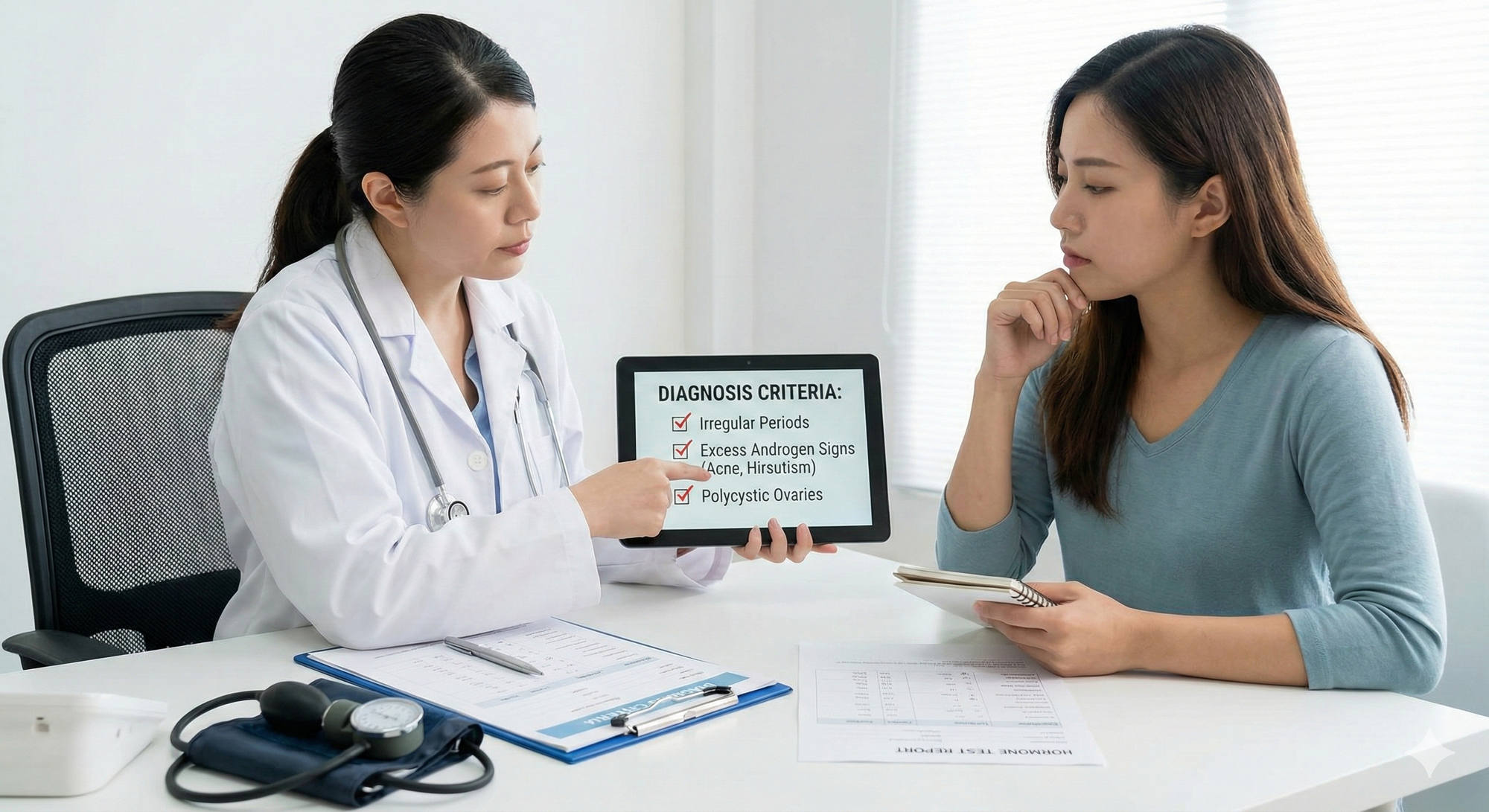
Diagnosis requires meeting two of three criteria: irregular periods, excess androgen signs (facial hair, acne, hair thinning), and polycystic ovaries on ultrasound. Tests include pelvic ultrasound, blood tests measuring hormones (testosterone, LH, FSH, insulin), and metabolic markers. If you experience irregular periods, unexplained weight gain, excessive hair growth, or fertility issues, consult a gynecologist or endocrinologist for proper evaluation.
How Does PCOD Usually Start?
PCOD typically begins during adolescence with hormonal changes. It starts with insulin resistance triggering increased insulin production, which stimulates excess androgen production. This interferes with follicle development, causing multiple small cysts and disrupting menstruation. Symptoms may emerge gradually over years or appear suddenly after weight gain or stress. Environmental triggers can accelerate onset in genetically predisposed individuals.
At What Age Does PCOD Usually Start?
PCOD most commonly manifests in late teens to early twenties. Many notice symptoms around puberty (ages 12-16) when menstrual cycles begin. However, diagnosis often occurs between ages 20-30 when seeking care for irregular periods or fertility concerns. Some don't receive diagnosis until their thirties, especially with mild symptoms. Early-onset PCOD often correlates with more severe symptoms and higher metabolic risks.
What is a PCOD Belly Shape?
The 'PCOD belly' refers to characteristic abdominal weight distribution with fat accumulation primarily around the abdomen and waist, creating an apple shape rather than pear shape. This visceral fat is metabolically active, worsening insulin resistance and health risks. The belly may appear bloated or firm and can be stubborn despite diet and exercise. Targeted interventions including low-carb diets, strength training, and Metformin can help reduce it over time.

Will PCOD Get Normal?
PCOD is chronic and typically doesn't completely disappear, but symptoms can significantly improve or resolve. Weight loss of 5-10% in overweight women can restore regular ovulation and normalize symptoms. After menopause, symptoms often improve naturally. While you may always have predisposition, many women reach a point where symptoms are minimal without medication. The goal is controlling symptoms and preventing complications rather than 'curing' PCOD.
Can PCOD Be Avoided?
While PCOD cannot be completely prevented, especially with genetic predisposition, certain measures reduce risk or delay onset. Maintain healthy weight from adolescence, eat balanced diet low in processed foods, stay physically active, manage stress effectively, and avoid endocrine-disrupting chemicals. For those with family history, early screening and preventive lifestyle measures are crucial. Even if PCOD develops, these habits minimize symptom severity and complication risks.
How to Check PCOD at Home?
You cannot definitively diagnose PCOD at home, but can monitor symptoms warranting medical evaluation. Track your menstrual cycle for three months to identify irregularities. Observe skin and hair changes including facial hair growth, worsening acne, or hair thinning. Monitor weight and note difficulty losing weight. Keep a symptom journal documenting mood changes and energy levels. If you notice multiple PCOD symptoms, schedule an appointment for proper diagnostic testing including ultrasound and blood work.
How to Confirm Pregnancy in PCOD?
Confirming pregnancy with PCOD follows standard procedures, though irregular periods make timing uncertain. Use home pregnancy tests 14-18 days after potential ovulation or when symptoms appear. For accuracy, schedule blood test (beta-hCG) with your doctor for earlier detection. Early ultrasound confirms pregnancy location and heartbeat. Women with PCOD should confirm pregnancy early as they may need progesterone supplementation, have higher miscarriage risk requiring intervention, and need close monitoring for gestational diabetes.
What if a Girl Has PCOD?
A PCOD diagnosis means managing a chronic condition, not accepting limitations. With proper management, women lead completely normal, healthy lives with successful careers and healthy families. Early diagnosis is advantageous, allowing time to establish healthy habits before fertility concerns. Young women should focus on maintaining healthy weight, regular exercise, good nutrition, and stress management. Regular check-ups with specialists help monitor the condition. Many successful women manage PCOD effectively—it's not a limitation, just a condition requiring awareness and proactive management.
What is the Severe Stage of PCOD?
Severe PCOD features pronounced symptoms and serious complications: complete absence of menstruation for months/years, very high androgen levels causing significant hirsutism and severe acne, marked insulin resistance leading to diabetes, substantial abdominal weight gain, and complete infertility without intervention. Complications include metabolic syndrome, fatty liver disease, sleep apnea, severe depression, elevated cardiovascular risk, and endometrial hyperplasia. Severe PCOD results from years of unmanaged symptoms or aggressive genetic disease, requiring intensive medical management.
Will PCOD Affect Egg Quality?
PCOD can affect egg quality due to hormonal imbalances, particularly elevated insulin and androgens. Eggs may have altered mitochondrial function, increased oxidative stress, and abnormal chromosome distribution. However, many women with PCOD have excellent egg quality, especially younger women managing their condition well. Maintain egg quality by controlling weight and insulin levels, reducing oxidative stress with antioxidants (CoQ10, vitamin E, folate), exercising regularly, managing stress, and avoiding smoking. If concerned, fertility specialists can assess quality through testing.
What is the Main Cause of PCOD?
There's no single main cause—PCOD results from complex interaction of genetic, hormonal, metabolic, and environmental factors. Insulin resistance affecting 70-80% of women is most significant, triggering excess insulin that stimulates androgen production. Genetic factors substantially increase risk with family history. Hormonal imbalances in the hypothalamic-pituitary-ovarian axis disrupt follicle development. Low-grade inflammation stimulates androgen production. Environmental factors include poor diet, sedentary lifestyle, chronic stress, and endocrine disruptors. Most experts view PCOD as genetic predisposition meeting environmental triggers.
✨ Ready to Take Control of Your PCOD?
Don't let PCOD control your life. I specialize in creating personalized nutrition and lifestyle plans that work with your body, not against it. Whether you're dealing with weight issues, irregular periods, fertility concerns, or just want to feel better, I'm here to guide you every step of the way.
What You'll Get:
✓ Personalized PCOD nutrition plan tailored to your symptoms
✓ Lifestyle modifications to balance hormones naturally
✓ Evidence-based strategies for weight management
✓ Ongoing support and accountability
✓ Practical meal plans and recipes for PCOD management
📱 Message me on WhatsApp: +91 7057063984
📅 Book Your Free 30-Minute Discovery Call: Click Here to Schedule
Available for both online consultations and in-person sessions. Let's create your personalised PCOD management plan together!
Conclusion
PCOD is a manageable chronic condition affecting millions of women. Understanding causes, recognizing symptoms early, and implementing appropriate management dramatically improves quality of life and long-term health. Key takeaways: PCOD is manageable, not a life sentence; lifestyle modifications are foundational; early diagnosis leads to better outcomes; fertility is achievable for most with treatment; and regular monitoring prevents complications.
If you suspect PCOD or have been diagnosed, connect with specialists, join support groups, commit to healthy habits, monitor symptoms, and stay informed. PCOD doesn't define you—it's one aspect of health requiring attention. With proper management, women with PCOD lead successful lives, achieve reproductive goals, and maintain excellent long-term health.