Inflammation: What Your Gut Is Trying to Tell You
Tired, bloated, and stuck despite eating right? Chronic inflammation could be the reason. A nutritionist explains the signs, the gut connection, and the exact foods that fight it — using your everyday Indian kitchen.
By Shradha | Expert Nutritionist & Dietitian | Fuel It Right
You are eating relatively well. You are not completely sedentary. But you wake up feeling heavy. Your digestion is unpredictable. Your energy crashes by noon. The weight will not move no matter what you try. And somewhere in the back of your mind, you wonder if something deeper is going on.
In many cases, something is. And it has a name: chronic low-grade inflammation.
In 12+ years of practice, inflammation is one of the most underestimated drivers of the health struggles I see every day — weight that will not shift, gut issues that will not resolve, fatigue that rest does not fix, blood sugar that keeps climbing. People come to me frustrated, having tried everything. And one of the first things I look at is inflammation.
The good news is that food is one of the most powerful tools we have to address it. And you do not need expensive supplements or complicated protocols. You need to understand what inflammation actually is, recognise it in your own body, and make a few consistent, evidence-based changes to what you eat.
Let me break it down the way I would for any client sitting across from me.
What Is Inflammation — and Why Does the Chronic Kind Matter?
Inflammation is your body's defence system. When you twist an ankle, get a cut, or fight off an infection, the body mounts a rapid inflammatory response — redness, swelling, heat, pain. This is acute inflammation, and it is healthy. It is your immune system doing exactly what it should.
The problem is when inflammation does not switch off. When it becomes a low-level, persistent background hum — driven by poor diet, chronic stress, poor sleep, a disrupted gut, or excess weight — it turns from protector to problem. This is chronic inflammation, and it is quiet. You may not feel it acutely, but it is working against you every single day.
Some of the most common signs I see in clients:
• Persistent fatigue that sleep does not resolve.
• Unexplained weight gain or inability to lose weight despite effort.
• Bloating, irregular digestion, or a gut that feels reactive.
• Brain fog, difficulty concentrating, low mood.
• Joint stiffness or generalised aches.
• Skin issues — acne, eczema, or persistent dullness.
• Elevated CRP or ESR on routine blood tests — often dismissed as mildly elevated.
If several of these sound familiar, it is worth paying attention. Chronic inflammation has been linked to Type 2 diabetes, heart disease, fatty liver, PCOD, autoimmune conditions, and metabolic syndrome — most of which I work with daily.
A C-reactive protein (CRP) reading above 3 mg/L in the absence of active infection is often a flag for chronic low-grade inflammation. Ask your doctor to check it at your next routine blood test.
The Gut-Inflammation Connection Nobody Talks About Enough
Here is the part that surprises most of my clients: your gut is not just responsible for digestion. It is the headquarters of your immune system. Approximately 70 to 80 percent of your immune cells live in and around the gut lining. When the gut is healthy, it acts as a tight barrier — letting nutrients in, keeping harmful substances out.
When the gut is disrupted — by a poor diet high in refined carbohydrates and ultra-processed foods, by antibiotics, by chronic stress, or by consistently low fibre intake — that barrier becomes compromised. Bacteria, toxins, and partially digested food particles can leak through into the bloodstream, triggering a systemic immune response. This is what researchers call increased intestinal permeability, and it is one of the primary drivers of chronic low-grade inflammation.
This is why so many of my clients who come in for weight management or diabetes control also have gut symptoms — the two are far more connected than most people realise. Fix the gut environment, and you start to bring down the inflammatory load on the whole body.
The Best Gut-Friendly Anti-Inflammatory Foods to Eat
This is not about eating perfectly. It is about consistently choosing foods that support your gut barrier and reduce your inflammatory load. Here is where to start:
Fermented and Probiotic Foods
These directly support your gut microbiome — the community of bacteria that regulates your immune response, digestion, and even mood. The key is choosing genuinely fermented options, not sugary commercial versions.
• Plain curd or yoghurt with live cultures — not the flavoured, sweetened kind
• Homemade chaas or unsweetened lassi
• Idli, dosa, and dhokla made from naturally fermented batter
• Kanji — the traditional Indian fermented drink made from carrots or beetroot
• Miso and tempeh if accessible
Prebiotic Fibre — the Food Your Good Bacteria Need
Probiotics are the beneficial bacteria. Prebiotics are what feed them. Without fibre, even good bacteria cannot thrive. Include:
• Onions, garlic, and leeks — among the best prebiotic sources and already staples in Indian cooking
• All lentils and legumes — dal, rajma, chana, moong
• Oats — plain, not the flavoured packet kind
• Raw or slightly underripe banana
• Asparagus when available
Omega-3 Fats and Anti-Inflammatory Spices
These directly reduce inflammatory signalling at the cellular level. India's spice tradition has had this right for centuries — we are just now understanding the mechanisms behind it.
• Fatty fish — mackerel, sardines, rohu, and pomfret are excellent and affordable Indian options
• Walnuts and flaxseeds — a tablespoon ground into your food daily
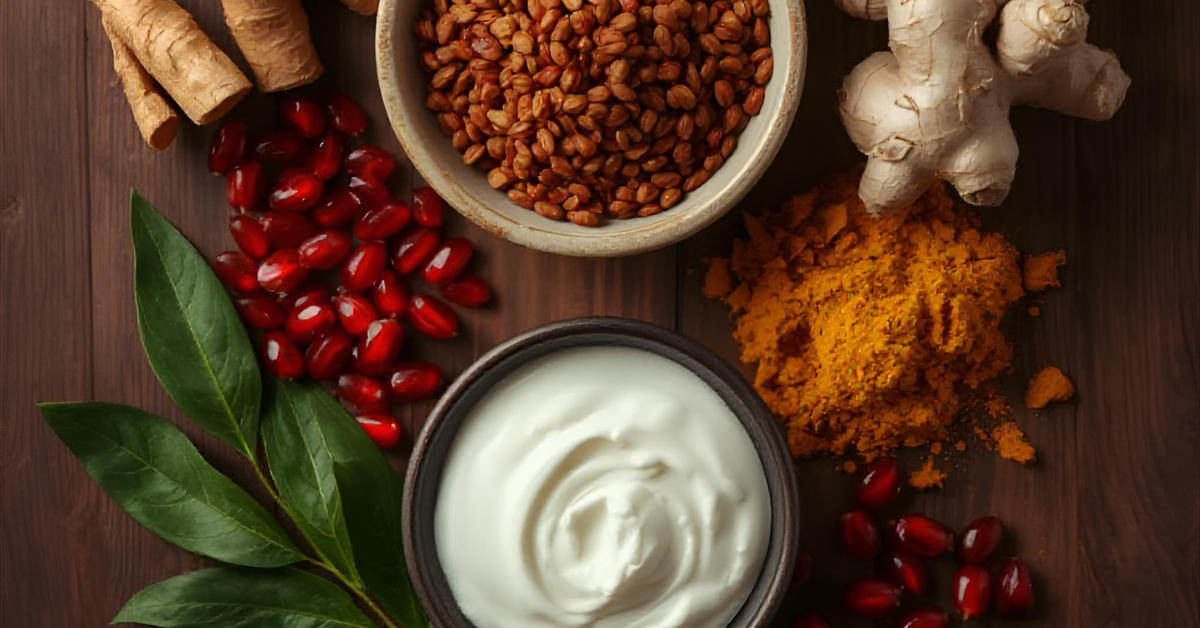
• Turmeric — use it daily in cooking, not as a supplement. Black pepper enhances absorption significantly
• Fresh ginger — in chai, in chutneys, in curries
• Extra virgin olive oil for dressings and light cooking
• Colourful berries, pomegranate, and amla — rich in polyphenols that lower inflammatory markers
The most anti-inflammatory diet is not exotic or expensive. It is largely the traditional Indian kitchen — dal, sabzi, curd, haldi, adrak — before ultra-processed convenience foods replaced it.
Is inflammation behind your gut issues, weight plateau or fatigue?
Let us look at your full picture and build a food plan that works for your body.
Book a 1:1 consultation: calendly.com/shradhajp/30min
WhatsApp: +91 70570 63984
What to Reduce or Remove from Your Diet
Anti-inflammatory eating is as much about what you cut back on as what you add in. The following consistently drive up inflammatory markers and disrupt the gut barrier:
1. Refined carbohydrates — white bread, maida-based products, sugary breakfast cereals, biscuits, and packaged snacks. These spike blood glucose and promote the growth of harmful gut bacteria.
2. Ultra-processed foods — anything with a long ingredient list of additives, emulsifiers, and artificial flavours. These directly damage the gut lining over time.
3. Excess sugar — including the hidden sugars in products marketed as healthy. If you have read my previous blog on zero added sugar, you already know how much of this slips through unnoticed.
4. Refined vegetable oils used repeatedly for deep frying — these oxidise at high temperatures and generate inflammatory compounds.
5. Alcohol — even moderate amounts disrupt the gut microbiome and increase intestinal permeability.
You do not need to eliminate all of these overnight. Small, consistent reductions make a measurable difference over 2 to 4 weeks, which you will often feel before you see on any test.
Simple Meal Ideas to Start This Week
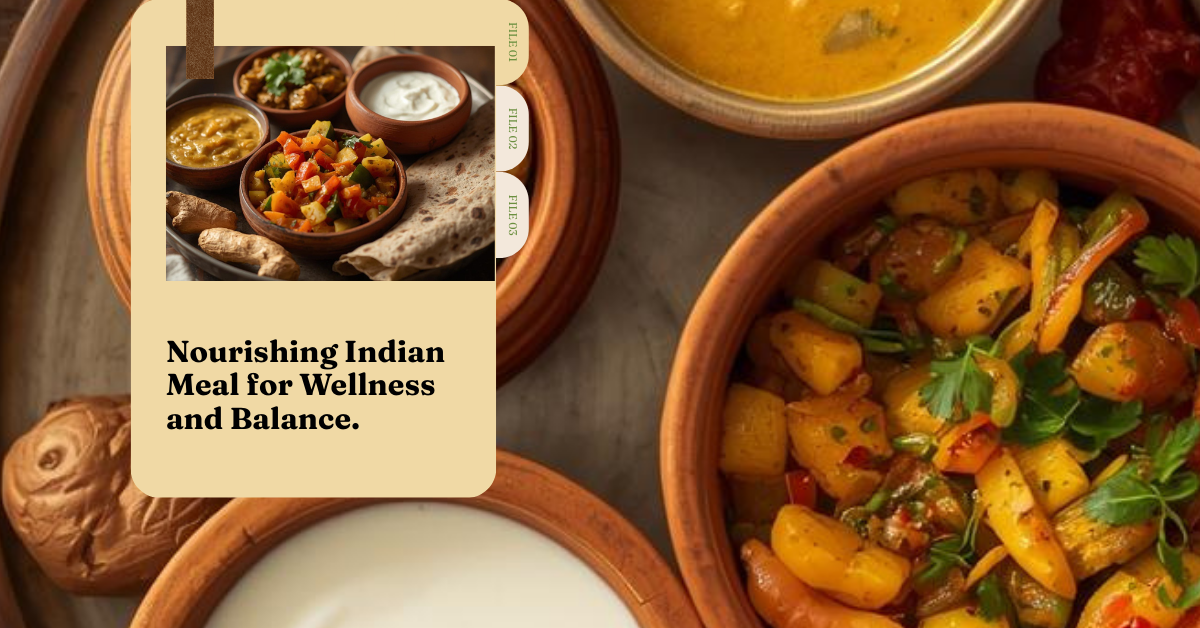
Here are practical, India-friendly options that require no special ingredients and very little extra time:
Breakfast:
Overnight oats soaked in plain curd, topped with berries, a tablespoon of ground flaxseed, and a pinch of cinnamon. No sugar, no flavouring packets — just real food that feeds your gut bacteria from the first meal of the day.
Mid Morning:
A small bowl of seasonal fruit — pomegranate, amla, papaya, or berries. All are rich in polyphenols and antioxidants that directly support anti-inflammatory pathways. Simple, no preparation, and keeps digestion light between breakfast and lunch.
Lunch:
A dal or sabzi bowl with a generous portion of cooked vegetables, a small serving of whole grain, and a side of plain curd. Add a squeeze of lemon and fresh coriander. Simple, complete, anti-inflammatory.
Snack:
Roasted makhana with turmeric and cumin — takes five minutes, delivers fibre, plant protein, and anti-inflammatory spices in one. Or sprouted moong chaat with tomato, onion, lime, and coriander. Both are far more gut-supportive than any packaged health bar.
Dinner:
A simple dal with a generous serving of cooked sabzi, a small portion of whole grain like jowar roti or brown rice, and a side of plain curd. If including fish, mackerel or sardines cooked in a light tomato-based curry with fresh ginger and turmeric is one of the most anti-inflammatory meals you can eat. Keep the oil light and avoid reusing it.
Beyond Food — What Else Drives Chronic Inflammation
Food is the most powerful lever, but it does not work in isolation. In my clinic, the clients who see the most significant and lasting reduction in inflammatory markers are the ones who address the full picture:
• Sleep — poor or inconsistent sleep is one of the most potent drivers of inflammatory cytokines. Seven to eight hours of consistent sleep is not a luxury, it is a metabolic necessity.
• Movement — 30 to 45 minutes of moderate daily movement, including brisk walking, yoga, or cycling, consistently lowers CRP over time. Intense, excessive exercise without adequate recovery can actually increase inflammation temporarily.
• Stress — chronic psychological stress raises cortisol, which promotes inflammation and disrupts the gut microbiome. Even five to ten minutes of breathwork or quiet walking without a phone can create measurable shifts over weeks.
• Smoking — if relevant, this is the single biggest dietary and lifestyle change that will impact inflammation. No food intervention competes with removing this trigger.
These are not additions to worry about all at once. Pick one non-food area alongside your dietary changes and work on it consistently for four weeks. That is always where I start with clients.
Frequently Asked Questions
Q. How quickly can I reduce inflammation through diet?
Most clients notice changes in energy, digestion, and bloating within 7 to 14 days of consistent dietary changes. Blood markers like CRP typically show measurable improvement within 4 to 8 weeks. The key word is consistent — sporadic healthy eating does not move the needle.
Q. Is turmeric actually effective or just a trend?
The evidence is real. Curcumin, the active compound in turmeric, has been shown in multiple studies to reduce inflammatory markers. The catch is bioavailability — your body does not absorb it well on its own. Combining it with black pepper significantly increases absorption. Use it daily in cooking rather than relying on supplements, unless directed by a clinician.
Q. I have IBS — is this approach safe for me?
Broadly yes, but with some modifications. High-FODMAP foods like onions, garlic, and legumes are excellent for inflammation but can trigger IBS symptoms in some people. The approach needs to be personalised based on your specific triggers. This is exactly the kind of situation where a one-on-one consultation makes more sense than a generic plan.
Q. Can inflammation cause weight gain?
Absolutely — this is one of the most clinically significant and underappreciated connections. Chronic inflammation disrupts insulin signalling, increases cortisol, promotes fat storage particularly around the abdomen, and makes weight loss genuinely harder even with caloric restriction. Reducing inflammation is often a necessary step before weight loss becomes possible for many of my clients.
Q. Are anti-inflammatory supplements worth taking?
My position is consistent with my overall philosophy — food first. Omega-3 supplements, curcumin capsules, and probiotic supplements have evidence behind them, but they work best as additions to an already strong dietary foundation, not replacements for one. Some clients genuinely need supplementation based on their blood markers and health conditions. That is a clinical decision, not a marketing one.
Q. What is the single most impactful change I can make this week?
Add one serving of plain probiotic curd to your daily routine — not flavoured, not sweetened, just plain curd with live cultures. At the same time, cut one ultra-processed item from your daily diet. Track your energy and digestion for 7 days. That one swap, done consistently, is where most of my clients begin to feel the shift.
Q. How do I know if my inflammation is gut-related?
If your inflammation symptoms are accompanied by digestive issues — bloating, irregular bowels, food sensitivities, or a gut that reacts to things it did not used to — the gut connection is likely. A consultation that looks at your diet, symptoms, and relevant blood markers together will give you a much clearer picture than trying to self-diagnose.
The Bottom Line: Your Gut and Your Inflammation Are Talking to You
Chronic inflammation is not inevitable. It is not something you simply have to live with. And it does not require expensive protocols or elimination diets that are impossible to sustain in a real Indian kitchen.
It requires understanding what is driving it, making consistent food choices that support your gut barrier and microbiome, and addressing the lifestyle factors that fuel the fire. The traditional Indian kitchen — dal, sabzi, curd, haldi, adrak, seasonal vegetables — was doing this right long before it became a wellness trend. The challenge today is rebuilding that foundation in the midst of ultra-processed convenience.
Start with one meal. One swap. One week of consistency. That is where every client I have worked with successfully has begun.
• Add plain curd, fermented foods, and fibre-rich legumes to your daily meals
• Use turmeric and ginger every single day — in your food, not as a supplement
• Reduce one ultra-processed item from your routine this week
• Prioritise sleep and at least 30 minutes of movement daily
• Get your CRP checked at your next blood test — know your baseline
If you are ready to go beyond general advice and understand what is specifically happening in your body, that is when a personalised plan makes all the difference.
Ready to take control of your inflammation and gut health?
I work with clients one on one to build a personalised food plan based on your specific symptoms, blood markers, and lifestyle — no supplements, no gimmicks, just food in its most natural form.
Book your 30-minute free consultation: calendly.com/shradhajp/30min
Or WhatsApp me directly: +91 70570 63984
Shradha | Nutritionist & Dietitian | Diet Dr Clinic | Fuel It Right
Helping you eat right through food in its most natural form.