How Much Water Should You Drink Daily to Lose Weight?

Water is a powerful, often overlooked ally in your weight loss journey. You might be tracking calories, exercising, and eating well, but without proper hydration, you could be missing out on faster results. So, how much water should you drink daily to lose weight? How many litters are ideal? Let’s explore the science, benefits, practical tips, and personalized recommendations to support fat loss and overall health.
Why Water Matters for Weight Loss
Water does more than quench thirst—it’s essential for:
- Boosting metabolism: Temporarily increases calorie burn.
- Curbing appetite: Helps you feel full, reducing overeating.
- Aiding digestion: Enhances nutrient absorption and reduces bloating.
- Enhancing exercise: Supports performance for better fat-burning workouts.
- Reducing water retention: Flushes excess sodium to minimize puffiness.
Wondering, can drinking more water help you lose weight? The evidence says yes, as part of a balanced approach.
How Water Supports Weight Loss
- Increases Calorie Burn (Thermogenesis)
Drinking 500 ml of water can boost resting energy expenditure by 24–30% for about an hour, per a 2003 study.[^1] While not a magic fix, this adds up over time. - Reduces Appetite
Thirst is often mistaken for hunger. A glass of water before meals can help you eat less, as shown in studies linking pre-meal water to lower calorie intake.[^2] - Supports Detox and Reduces Bloating
Proper hydration aids kidneys in flushing excess sodium and waste, reducing water retention and bloating.[^3] - Improves Exercise Performance
Dehydration can cut physical performance by 20–30%, limiting workout efficiency and fat burn.[^4]
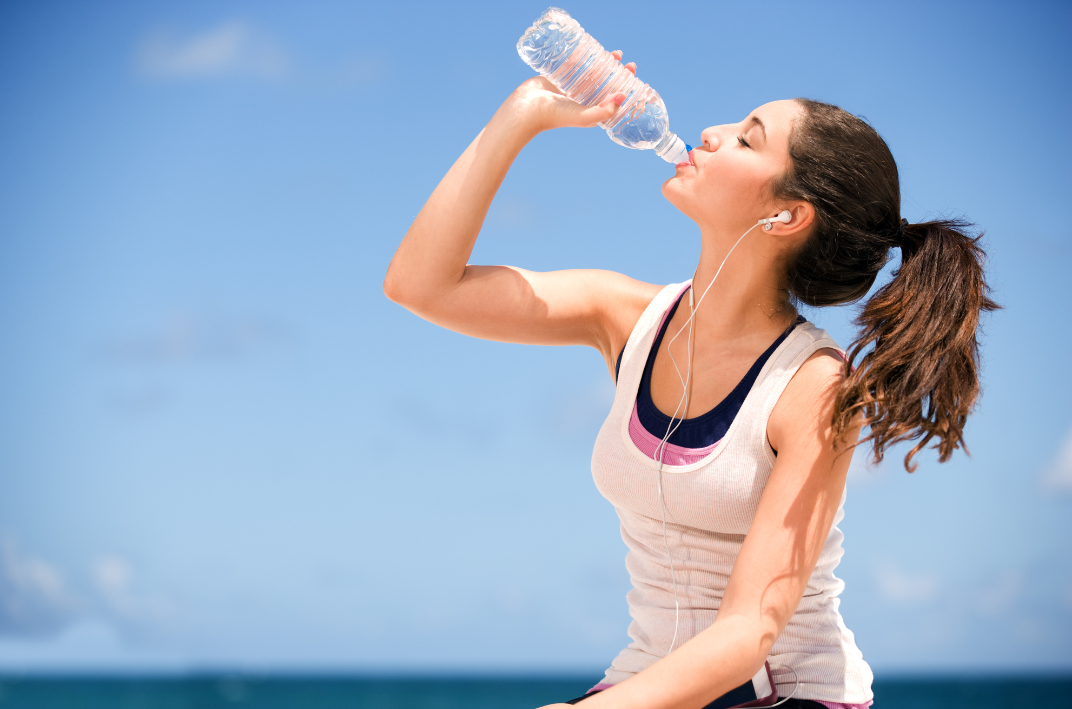
How Much Water Should You Drink for Weight Loss?
There’s no universal rule, but general guidelines are:
- Women: 2.7 litters/day (11–12 glasses, including fluids from food/drinks).
- Men: 3.7 litters/day (13–15 glasses, including fluids from food/drinks).
These align with Institute of Medicine recommendations.[^5] Your ideal intake depends on:
- Body weight: Multiply your weight in kg by 30–35 ml. Example: 60 kg × 35 ml = 2.1 litters minimum.
- Activity level: Add 0.5–1 litter for active lifestyles or workouts.
- Climate: Hotter regions increase needs by 0.5–1 litter.
- Diet: High-protein or high-fibber diets require more water.
- Health: Pregnancy/breastfeeding adds ~0.3–0.7 litters; consult a doctor for conditions like heart or kidney issues.
Quick Tip: Check urine colour—pale yellow indicates good hydration.
Best Times to Drink Water for Weight Loss
- Morning (1–2 glasses, warm): Kickstarts metabolism and clears overnight toxins.
- 30 Minutes Before Meals: Reduces appetite, aiding portion control.[^2]
- During Exercise: Sip every 15–20 minutes to maintain energy.
- Post-Meal (after 30 mins): Supports digestion; avoid large gulps right after eating.
- Evening (small sips): Maintains hydration without disrupting sleep.
Can You Drink Too Much Water?
Yes—over 5–6 litters daily without electrolytes can cause hyponatremia (low sodium), though it’s rare and mostly affects endurance athletes.[^6] You must remember to sip consistently, don’t force-drink.
Best Types of Water for Weight Loss
- Plain Filtered Water: The gold standard for hydration.
- Warm Lemon Water: Slight metabolism boost; rich in vitamin C.
- Cumin/Fennel Water: May reduce bloating and aid fat metabolism.
- Herbal Infusions: Cucumber-mint or ginger-cinnamon add flavour and satiety.
- Coconut Water: Good post-workout for electrolytes, but watch sugar.
Avoid: Sugary drinks or excessive artificial flavourings.
Water-Rich Foods to Boost Hydration
Incorporate these for hydration and nutrition:
- Cucumber: 95% water, low-calorie.
- Watermelon: Hydrating, fibber-rich.
- Lettuce: Good for hydration, low calories.
- Tomatoes: Supports hydration and antioxidants.
- Oranges: Hydrating with vitamin C.
- Celery: Water-packed and filling.
These add fibre, aiding digestion and fullness.
Signs You are Underhydrated
Look out for:
- Persistent hunger
- Dark yellow urine
- Fatigue
- Dry skin or lips
- Headaches
- Constipation
These can derail weight loss efforts.
How to Build a Hydration Habit
- Carry a Bottle: Use a 1-liter refillable bottle with time markers.
- Set Reminders: Use apps or phone alerts for hourly sips.
- Track Intake: Log glasses in a journal or app.
- Add Flavour: Infuse with mint, berries, or lemon for taste.
- Calculator Tool: Try our Water Intake Calculator for a personalized goal.
Debunking Water Myths
- Myth: You must drink 8 glasses daily.
Truth: Needs vary by weight, activity, and diet.[^5] - Myth: Cold water burns way more calories.
Truth: The effect is minimal; focus on total intake.[^7] - Myth: Drinking during meals harms digestion.
Truth: Small sips are fine and may aid digestion.
FAQs: Water and Weight Loss
Q: How much water per kg for weight loss?
A: 30–35 ml per kg of body weight (e.g., 70 kg = 2.1–2.5 litters).
Q: How much water should I drink overall?
A: 2.7–3.7 litters daily, including fluids from food/drinks, adjusted for lifestyle.
Q: Is 2–4 litters safe for weight loss?
A: Yes, for most adults. Spread intake evenly.
Q: Does cold water burn more calories?
A: Slightly, as your body warms it, but the impact is small.[^7]
Q: Can I drink water during meals?
A: Yes, in small sips to avoid bloating.
Q: Is drinking water at night okay?
A: Yes, but limit to sips to avoid sleep disruption.
Final Thoughts: Hydration as Your Weight Loss Ally
How much water should you drink daily to lose weight? Enough to keep your body hydrated and metabolism humming—typically 2.7–3.7 litters based on your body and lifestyle. Consistency is key. Pair hydration with a balanced diet and exercise for best results. Water isn’t a magic bullet, but it’s a vital tool for energy, digestion, and fat loss.
💧 Make hydration a daily priority, and you’ll see benefits in your weight, energy, and skin.
📞 For a personalised hydration and diet plan, contact us at +91 7057063984 or book an appointment here.
[^1]: Journal of Clinical Endocrinology & Metabolism, 2003.
[^2]: Johns Hopkins University Wellness, 2023.
[^3]: Medical News Today, 2024.
[^4]: Sports Science Consensus, 2020.
[^5]: Institute of Medicine, 2005.
[^6]: Mayo Clinic, 2024.
[^7]: Healthline, 2024.