Menopause Diet Guide: Foods That Help & Foods to Avoid
Discover the best menopause diet for natural symptom relief. Learn which foods reduce hot flashes, support hormonal balance, and what to avoid.
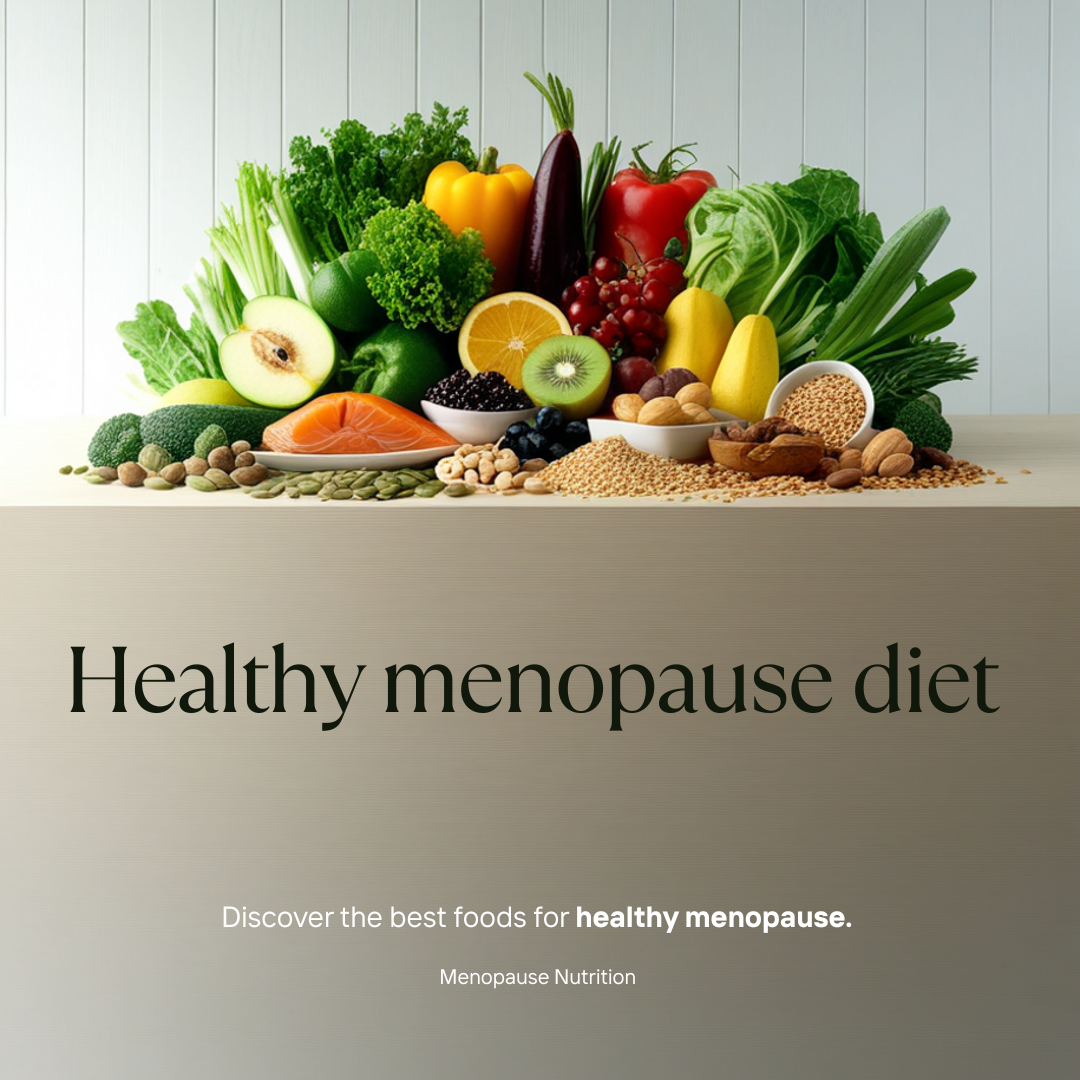
Menopause is a natural phase in every woman's life, but it doesn't have to be accompanied by uncomfortable symptoms. Your diet plays a crucial role in managing menopause symptoms, maintaining bone health, and supporting hormonal balance. This comprehensive guide explores the best dietary strategies to navigate menopause with confidence and vitality.
What Diet is Best for Menopause?
The optimal menopause diet focuses on nutrient-dense whole foods that support hormonal balance and reduce inflammation. A Mediterranean-style diet rich in fruits, vegetables, whole grains, lean proteins, and healthy fats has shown remarkable benefits for menopausal women. This eating pattern emphasizes plant-based foods, omega-3 fatty acids from fish, and limited processed foods.
Research suggests that diets high in phytoestrogens—plant compounds that mimic estrogen—can help ease hot flashes and night sweats. Foods like soy products, flaxseeds, and legumes are excellent sources. Additionally, focusing on calcium-rich foods and vitamin D supports bone density, which naturally declines during menopause.
The key is creating a sustainable eating pattern that includes plenty of colourful vegetables, whole grains, lean proteins, and healthy fats while minimizing sugar, refined carbohydrates, and alcohol—all of which can exacerbate menopausal symptoms.
What Are the Best Habits for Menopause?
Beyond diet, establishing healthy lifestyle habits can significantly improve your menopause experience. Regular physical activity is paramount—aim for at least 150 minutes of moderate exercise weekly, combining cardio, strength training, and flexibility work. Exercise helps maintain bone density, supports mood, manages weight, and reduces hot flash frequency.
Sleep hygiene becomes increasingly important during menopause. Establish a consistent sleep schedule, keep your bedroom cool, and avoid screens before bedtime. Stress management through meditation, yoga, or deep breathing exercises can help regulate cortisol levels and reduce symptom severity.
Staying well-hydrated is essential, as dehydration can worsen hot flashes and affect energy levels. Aim for 8-10 glasses of water daily. Additionally, maintaining social connections and engaging in activities that bring joy contribute to overall wellbeing during this transition.

What Not to Eat During Menopause?
Certain foods can trigger or intensify menopause symptoms and should be limited or avoided. Spicy foods are notorious for triggering hot flashes in many women. Caffeine, while not affecting everyone equally, can disrupt sleep and increase anxiety, particularly when consumed later in the day.
Alcohol is another common trigger for hot flashes and can interfere with sleep quality despite its initial sedative effects. It also increases the risk of breast cancer and can contribute to weight gain—both concerns for menopausal women.
Processed foods high in sugar and refined carbohydrates cause blood sugar spikes and crashes, leading to mood swings, energy fluctuations, and increased inflammation. High-sodium foods can worsen bloating and contribute to bone loss by increasing calcium excretion.
Trans fats and excessive saturated fats found in fried foods, baked goods, and processed meats should be minimized as they increase inflammation and cardiovascular disease risk, which naturally rises after menopause.
Need Personalised Guidance for Your Menopause Journey?
Every woman's menopause experience is unique. Get a customised nutrition plan tailored to your symptoms, lifestyle, and health goals.
📞 WhatsApp: +91 7057063984
📅 Book Your Free Consultation: Schedule Now
How to Reduce Cortisol in Menopause?
Cortisol, the stress hormone, often becomes dysregulated during menopause, contributing to weight gain, particularly around the midsection, sleep disturbances, and mood changes. Managing cortisol through diet and lifestyle is crucial for symptom relief.
Start your day with a protein-rich breakfast to stabilize blood sugar and prevent cortisol spikes. Include foods rich in vitamin C, magnesium, and omega-3 fatty acids, which support healthy cortisol regulation. Dark leafy greens, berries, fatty fish, nuts, and seeds are excellent choices.
Adaptogenic herbs like ashwagandha may help balance cortisol levels, though you should consult with a healthcare provider before adding supplements. Regular meal timing prevents blood sugar crashes that trigger cortisol release.
Lifestyle factors are equally important—prioritize 7-9 hours of quality sleep, practice stress-reduction techniques daily, and avoid excessive caffeine, which stimulates cortisol production. Morning sunlight exposure and evening relaxation routines help regulate your circadian rhythm and cortisol patterns.
What is the Best Lifestyle for Menopause?
An optimal menopause lifestyle integrates multiple wellness pillars. Physical activity should include weight-bearing exercises like walking, jogging, or dancing to maintain bone density, along with strength training at least twice weekly to preserve muscle mass and boost metabolism.
Mind-body practices such as yoga, tai chi, or meditation offer dual benefits of stress reduction and physical fitness. These practices have been shown to reduce hot flash frequency and improve sleep quality.
Social engagement and maintaining meaningful relationships provide emotional support and reduce isolation, which can sometimes accompany this life transition. Pursuing hobbies, learning new skills, and staying mentally active contribute to cognitive health.
Regular health screenings become increasingly important—schedule annual mammograms, bone density scans, cardiovascular assessments, and hormonal evaluations as recommended by your healthcare provider. Proactive health management allows for early intervention when needed.
Creating a supportive environment at home includes keeping your bedroom cool, dressing in layers, and having a bedside fan available. These simple adjustments can significantly improve comfort during hot flashes and night sweats.
What Foods Are Good for Menopause?
Incorporating specific nutrient-rich foods can provide targeted support for menopause symptoms. Fatty fish like salmon, mackerel, and sardines deliver omega-3 fatty acids that reduce inflammation and support heart and brain health. Aim for 2-3 servings weekly.
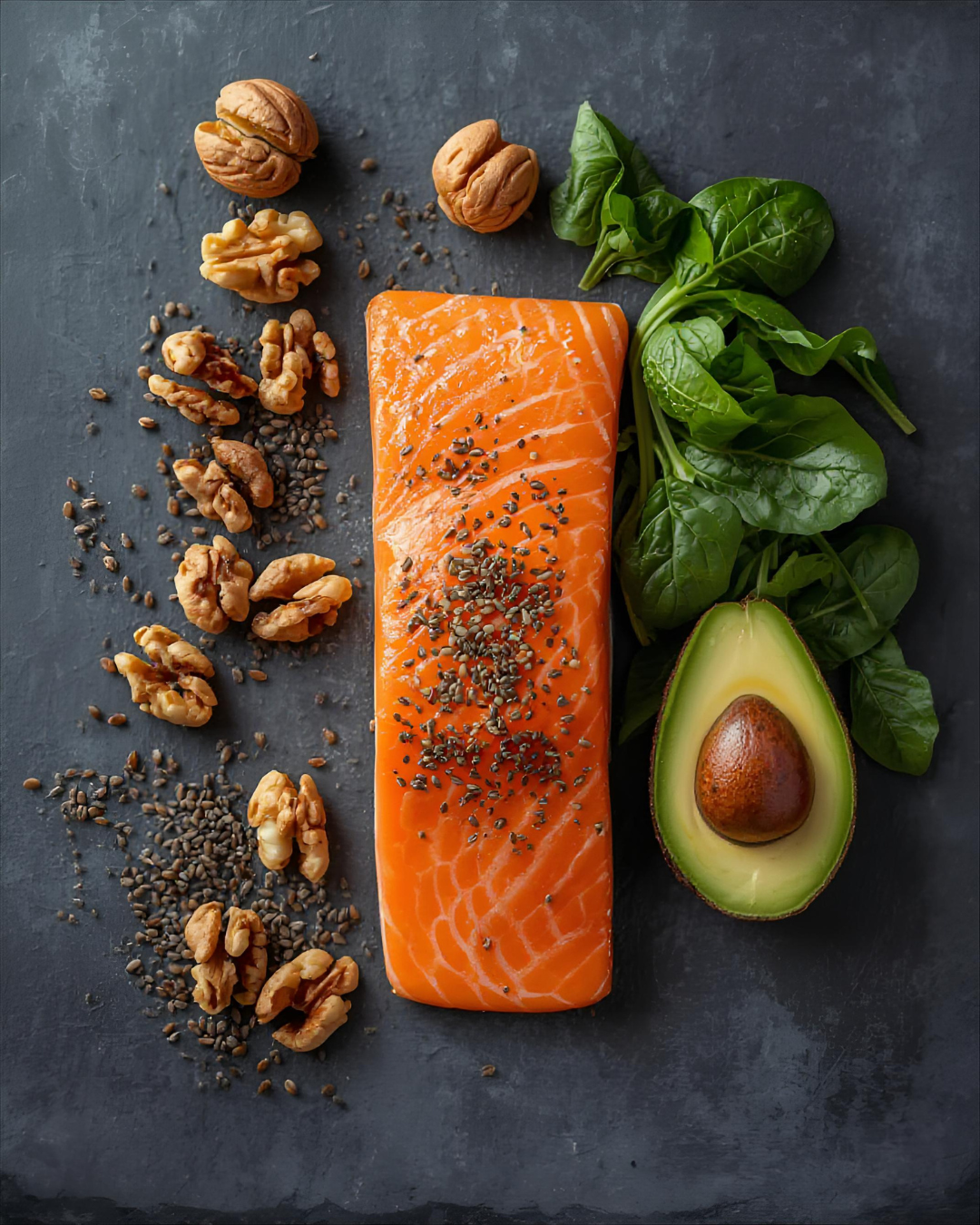
Whole soy foods including tofu, tempeh, edamame, and miso contain isoflavones that may help reduce hot flashes and support bone health. Flaxseeds and chia seeds are rich in lignans—another type of phytoestrogen—and provide fibre and omega-3s.
Cruciferous vegetables such as broccoli, cauliflower, Brussels sprouts, and kale support estrogen metabolism and provide calcium for bone health. Dark leafy greens like spinach and Swiss chard offer magnesium, which supports sleep and mood.
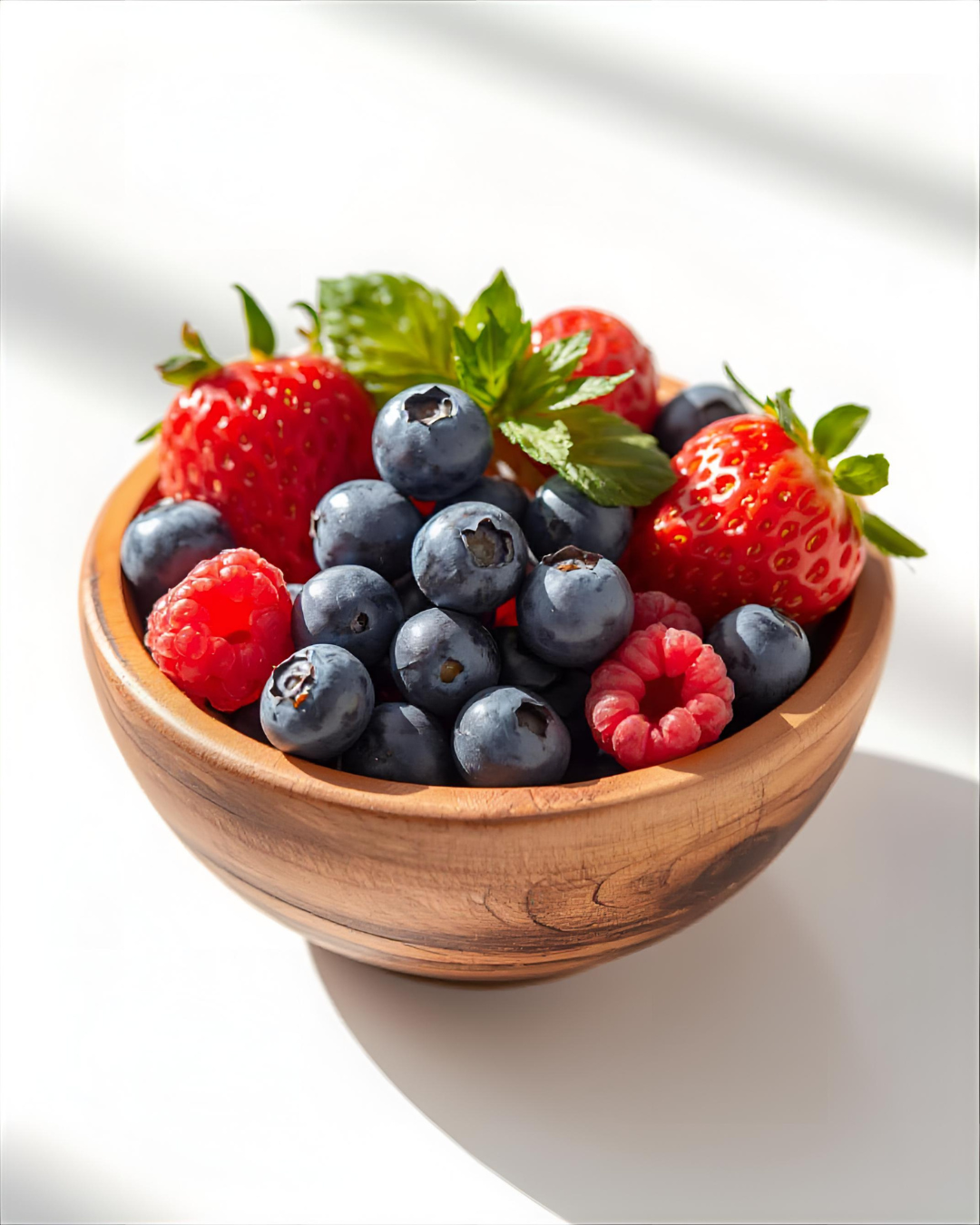
Berries are packed with antioxidants that protect against cellular aging and inflammation. Nuts and seeds provide healthy fats, protein, and minerals including magnesium and zinc. Whole grains like quinoa, brown rice, and oats offer B vitamins, fibre, and sustained energy.
Fermented foods such as yogurt, kefir, kimchi, and sauerkraut support gut health, which influences hormone metabolism and overall wellbeing. Eggs provide high-quality protein and vitamin D, essential for bone health.
What is the Indian Diet for Menopause?
Traditional Indian cuisine offers numerous menopause-friendly options when prepared healthfully. Dal (lentils) provides plant-based protein, fibre, and phytoestrogens. Include varieties like moong dal, toor dal, and masoor dal regularly.
Sesame seeds, widely used in Indian cooking, are calcium-rich and contain lignans. Tahini or til ladoo (in moderation) can be beneficial. Turmeric, a staple in Indian cuisine, contains curcumin—a powerful anti-inflammatory compound that may help reduce joint pain and inflammation associated with menopause.
Fenugreek seeds (methi) may help manage blood sugar and contain compounds that support hormonal balance. Amla (Indian gooseberry) is exceptionally high in vitamin C and antioxidants. Ragi (finger millet) is calcium-rich and an excellent alternative to wheat or rice.
Prepare vegetables with minimal oil using cooking methods like steaming, roasting, or light sautéing. Choose whole wheat roti over white rice or refined flour products. Include plenty of vegetables like bhindi (okra), palak (spinach), karela (bitter gourd), and seasonal produce.
Spices like cumin, coriander, fennel, and cardamom aid digestion and provide antioxidants without triggering hot flashes like chili peppers might. Herbal teas such as fennel seed tea or Tulasi tea can be soothing and beneficial.
Frequently Asked Questions About Menopause Diet
What Not to Eat When Menopausal?
Avoid or limit spicy foods, caffeine, alcohol, refined sugars, processed foods, high-sodium items, and trans fats. These can trigger hot flashes, disrupt sleep, increase inflammation, and worsen mood swings.
What is the Best Diet for a Menopausal Woman?
A Mediterranean-style diet emphasizing whole foods, fruits, vegetables, whole grains, lean proteins, healthy fats, and phytoestrogen-rich foods provides optimal nutrition for managing menopause symptoms and supporting overall health.
Which Fruit is Good in Menopause?
Berries (blueberries, strawberries, raspberries), apples, pears, citrus fruits, and pomegranates are excellent choices. They provide antioxidants, fibber, vitamins, and help manage weight while supporting cardiovascular health.
What is the 3 Day Menopause Reset?
While there's no scientific "3-day reset," a focused 3-day period eliminating trigger foods (caffeine, alcohol, sugar, spicy foods) while emphasizing hydration, whole foods, and stress management can help identify symptom triggers and provide relief.
What Are the 5 Pillars of Menopause?
The five pillars include nutrition (balanced, whole-food diet), movement (regular exercise), sleep (7-9 hours quality rest), stress management (meditation, relaxation techniques), and medical support (regular health screenings and hormone management if needed).
What Are the Top 3 Vitamins for Menopause?
Vitamin D supports bone health and mood, calcium maintains bone density and muscle function, and B vitamins (especially B6 and B12) support energy production, brain function, and mood regulation.
What is the Hardest Stage of Menopause?
Perimenopause is often considered the most challenging stage due to unpredictable hormonal fluctuations causing irregular periods, intense hot flashes, mood swings, and sleep disturbances before hormones stabilize in post-menopause.
Which Drink is Good for Menopause?
Water is essential, along with herbal teas (chamomile, peppermint, red clover), green tea (in moderation), bone broth for nutrients, and smoothies with phytoestrogen-rich ingredients like soy milk and flaxseeds.
What Can Actually Worsen Menopause Symptoms?
Stress, lack of sleep, sedentary lifestyle, smoking, excessive alcohol, high sugar intake, dehydration, skipping meals, and certain medications can all intensify menopause symptoms.
What Should Be Avoided During Menopause?
Avoid trigger foods (spicy, caffeinated, alcoholic), smoking, excessive stress, sedentary behaviour, inadequate sleep, extreme diets, dehydration, and neglecting regular health screenings.
What Vitamins Are Good for Lowering Cortisol Levels?
Vitamin C helps regulate cortisol production, B vitamins support adrenal function and stress response, magnesium promotes relaxation, and omega-3 fatty acids reduce inflammation and support healthy cortisol patterns.
Does Cortisol Spike at 3am?
Cortisol naturally rises in the early morning hours (2-4am) as part of the circadian rhythm to prepare for waking. However, abnormally high spikes can cause 3am wakefulness, often related to blood sugar crashes or stress.
What to Eat to Lower Cortisol?
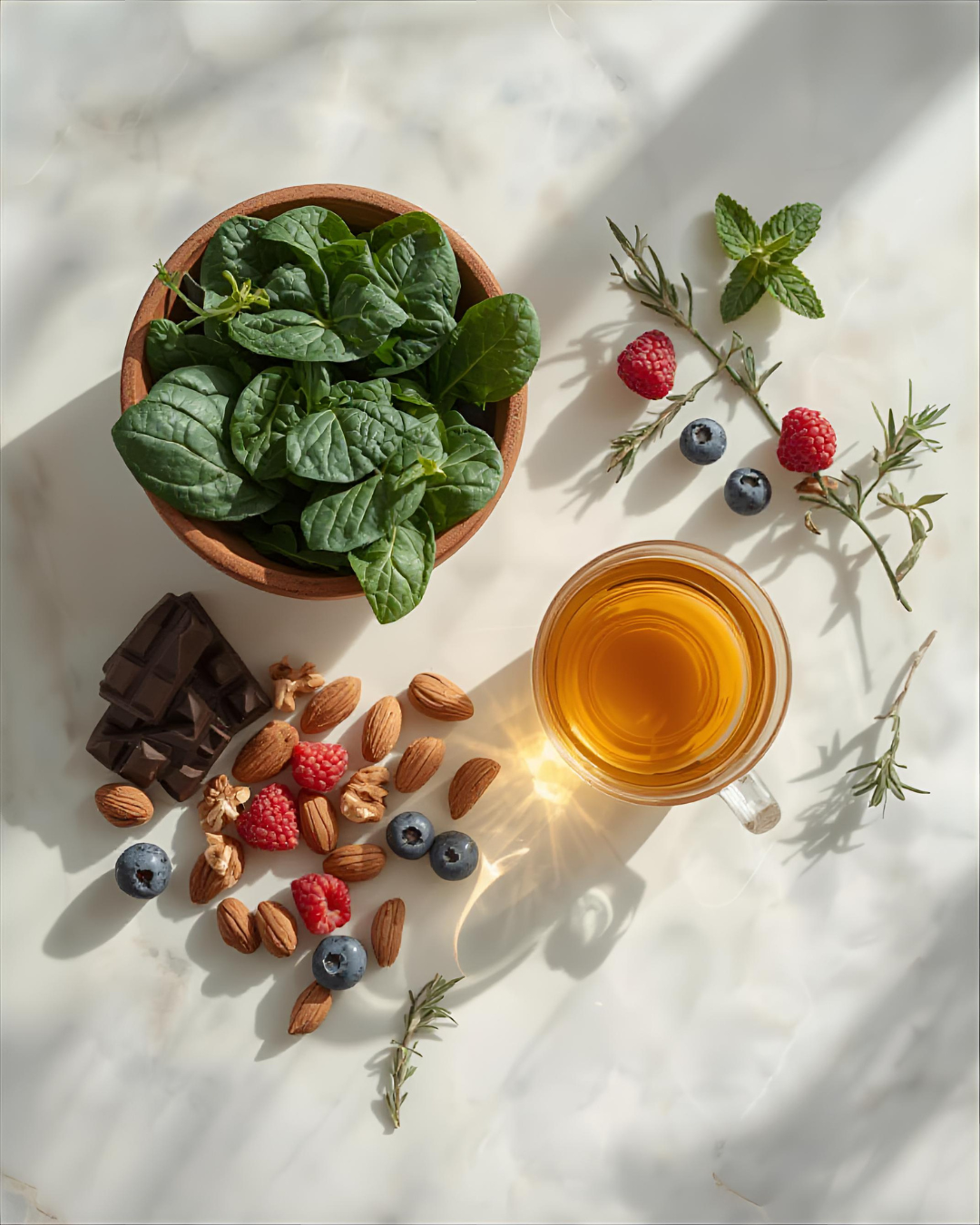
Focus on complex carbohydrates (whole grains, sweet potatoes), lean proteins, omega-3 rich foods (fatty fish, walnuts), dark chocolate (in moderation), probiotic foods, and magnesium-rich foods like leafy greens and nuts.
How to Reduce Cortisol Belly?
Manage stress through meditation and exercise, prioritize quality sleep, eat regular balanced meals, avoid excessive caffeine and sugar, include strength training, and ensure adequate protein intake to stabilize blood sugar.
What Vitamin Deficiency Causes High Cortisol?
Vitamin D deficiency is associated with elevated cortisol levels and increased stress response. B vitamin deficiencies, particularly B5 (pantothenic acid), can impair adrenal function and cortisol regulation.
What Drinks Help Lower Cortisol?
Chamomile tea, green tea (L-theanine content), ashwagandha tea, Tulasi (holy basil) tea, warm milk with turmeric, and tart cherry juice all have properties that may help reduce cortisol levels and promote relaxation.
Conclusion
Navigating menopause successfully requires a holistic approach cantered on nutrition, lifestyle, and self-care. By embracing a whole-food diet rich in phytoestrogens, managing stress, staying active, and avoiding trigger foods, you can significantly reduce symptoms and thrive during this transition. Remember that every woman's experience is unique—pay attention to your body's signals and adjust your diet and lifestyle accordingly. Consult with healthcare providers for personalized guidance, and embrace this new chapter with knowledge, preparation, and optimism.
Ready to Transform Your Menopause Experience?
Stop struggling with menopause symptoms on your own. Get personalized nutrition guidance that addresses YOUR specific challenges—whether it's hot flashes, weight gain, mood swings, or sleep issues.
I specialize in helping women navigate menopause naturally through whole-food nutrition—no supplements, no gimmicks, just real food prepared the way you already cook at home.
📞 Connect on WhatsApp for Quick Questions: +91 7057063984
📅 Book Your FREE 30-Minute Consultation: Here
Let's create a personalised plan that works for YOUR body, YOUR lifestyle, and YOUR goals.