5 Myths About Healthy Eating Debunked by a Nutritionist

Healthy eating habits is a topic surrounded by confusion, with myths and misinformation spreading faster than a viral recipe. As a nutritionist, I’ve seen countless people fall for outdated or misleading advice that makes healthy eating feel overwhelming or unattainable. Today, I’m debunking five common myths about healthy eating to lose weight to clear the air, empower you with science-backed facts, and spark your curiosity about nutrition. Whether you’re just starting your wellness journey or looking to refine your habits, this post will set the record straight and inspire you to make informed food choices. Let’s dive in!
Why Healthy Eating Myths Persist
In an age where wellness influencers and fad diets dominate social media, myths about healthy eating thrive. According to a 2023 study in the Journal of Nutrition Education and Behaviour, misinformation about diet can lead to poor food choices and even health risks. Posts on social media often amplify trendy but unproven claims, like “carbs are the enemy” or “detox diets are a must.” As a nutritionist, my goal is to cut through the noise with evidence-based insights that are practical and relatable. Let’s tackle these myths one by one.
Myth 1: Carbs Make You Gain Weight
The Myth: Carbohydrates like bread, pasta, and rice are often blamed for weight gain, leading many to avoid them entirely. Low-carb diets like keto have fuelled this belief, with some posts claiming carbs are “toxic” for your body.
The Truth: Carbs are your body’s primary energy source, and not all carbs are created equal. Whole grains like quinoa, brown rice, and oats provide fibre, vitamins, and minerals that support digestion and sustained energy. A 2021 study in The American Journal of Clinical Nutrition found that diets rich in whole grains were linked to better weight management compared to refined carbs like white bread or sugary snacks.
· What to Do: Focus on complex carbs over refined ones. Swap white pasta for whole-grain or millet-based pasta, and pair carbs with protein and healthy fats for balanced meals. For example, try a quinoa bowl with grilled chicken and avocado.
· Let’s Talk: Have you cut carbs before? Share your experience in the comments below—what worked, and what didn’t?
Need Personalized Advice? Book a free 30-minute consultation with me to create a carb-friendly meal plan tailored to you! Schedule Now
Myth 2: All Fats Are Unhealthy
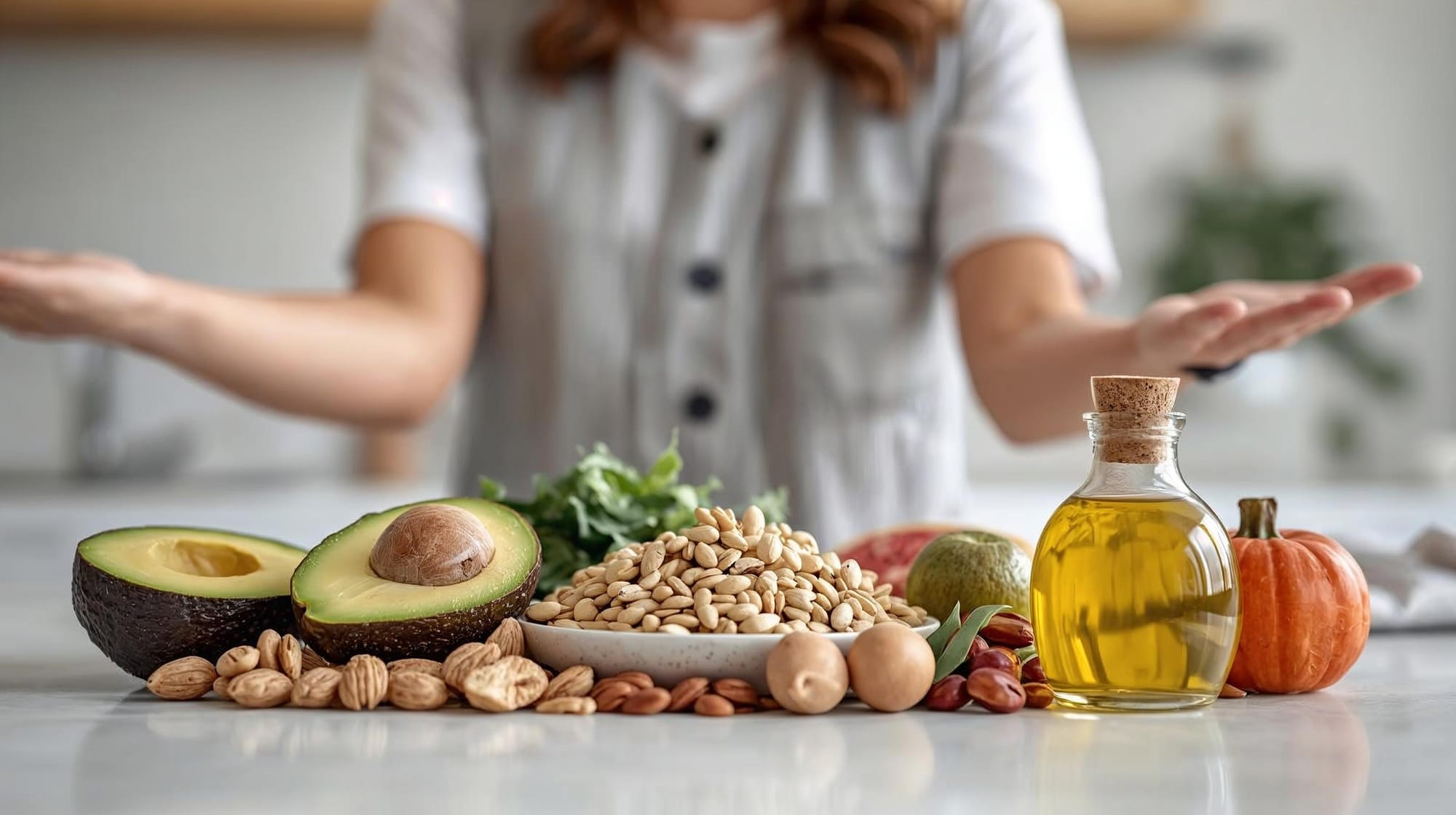
The Myth: Fats are often demonized as the cause of heart disease and obesity. Many avoid avocados, nuts, or olive oil, fearing they’ll pack on pounds.
The Truth: Healthy fats are essential for brain health, hormone production, and nutrient absorption. The American Heart Association recommends including unsaturated fats—like those in salmon, walnuts, and olive oil—while limiting trans fats found in processed foods. A 2022 meta-analysis in The Lancet showed that diets with healthy fats reduced the risk of cardiovascular disease compared to low-fat diets.
· What to Do: Incorporate healthy fats in moderation. Drizzle olive oil on salads, snack on a handful of almonds, or add avocado to your morning toast. Aim for balance, not elimination.
· Join the Conversation: What’s your favorite healthy fat? Drop it in the comments or tag a friend to share theirs!
Want More Tips? Get my free healthy eating guide with fat-friendly recipes! Subscribe Now for weekly nutrition tips delivered to your inbox.
Myth 3: You Need to Count Calories to Eat Healthy
The Myth: Calorie counting is seen as the gold standard for healthy eating, with apps and trackers making it easier than ever to obsess over numbers.
The Truth: While calorie awareness can be useful for some, it’s not the only path to healthy eating. Focusing on nutrient-dense foods—like vegetables, lean proteins, and whole grains—often leads to better outcomes than strict calorie tracking. A 2020 study in Nutrients found that intuitive eating, which emphasizes hunger and fullness cues, was linked to improved mental health and sustainable eating habits compared to rigid calorie counting.
· What to Do: Practice mindful eating by savoring meals without distractions and listening to your body’s signals. Build balanced plates with a variety of food groups instead of fixating on numbers.
· Try It Out: Try eating one meal this week without counting calories—how did it feel? Share below!
Let’s Connect: Have questions about mindful eating? Call or WhatsApp me at +9170570 63984 for personalised guidance.
Myth 4: Detox Diets Are Necessary to Cleanse Your Body
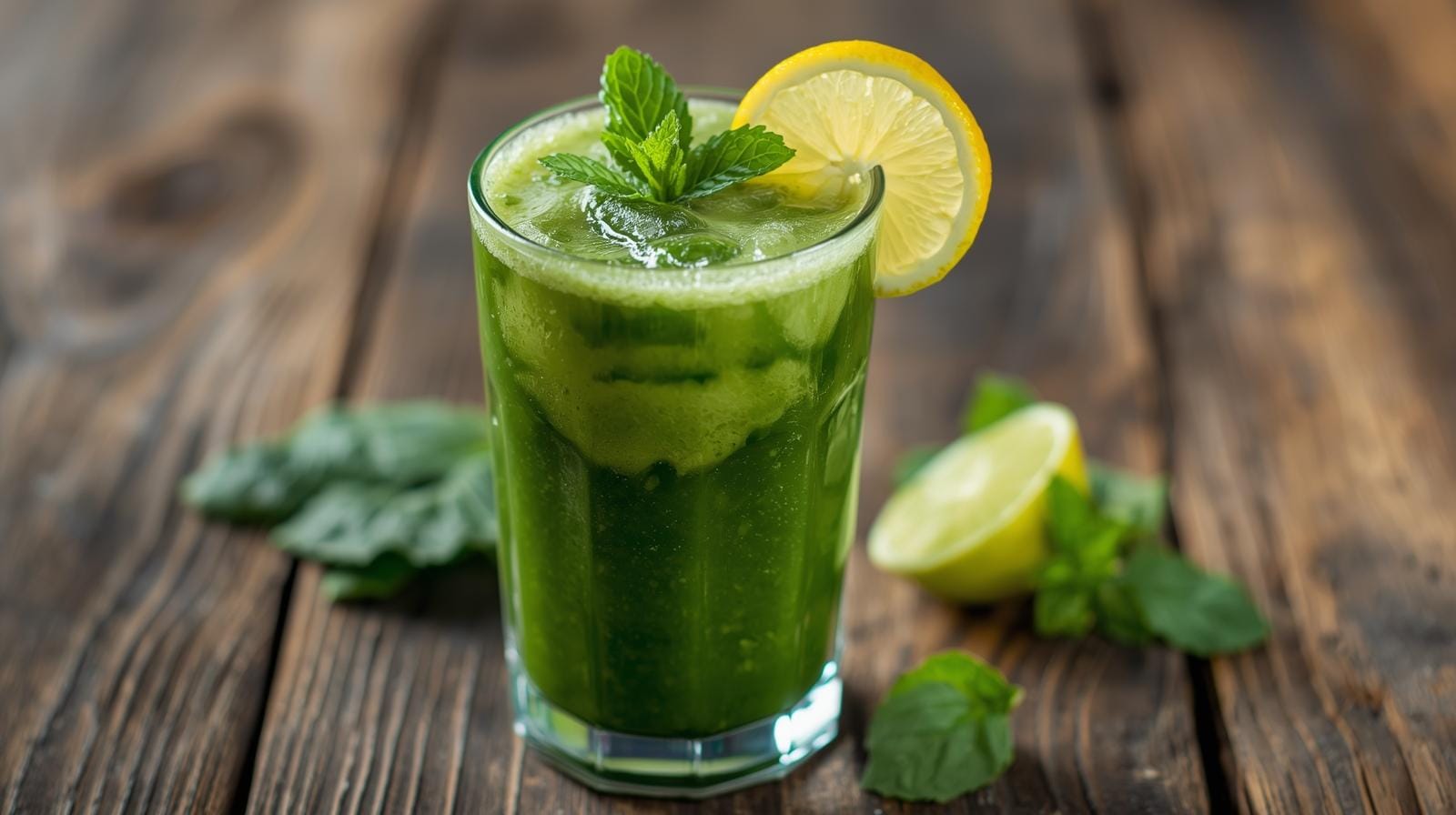
The Myth: Juice cleanses and detox diets are often marketed as essential for “flushing toxins” from your body, with influencers promoting 3-day juice plans or detox teas.
The Truth: Your liver, kidneys, and digestive system are natural detox powerhouses. There’s no scientific evidence that detox diets or cleanses are necessary for healthy individuals, according to a 2019 review in The British Journal of Nutrition. In fact, extreme detox plans can lead to nutrient deficiencies and disrupt your metabolism.
· What to Do: Support your body’s natural detox processes with a balanced diet rich in fiber (from fruits and veggies), hydration, and adequate protein. A smoothie with spinach, berries, and Greek yogurt is a nutrient-packed alternative to juice cleanses.
· Share Your Story: Have you ever tried a detox diet? What was your experience? Let’s discuss in the comments!
Explore More: Check out my guide to nutrient-packed smoothies for a natural detox boost. Read More for healthy eating tips.
Myth 5: Healthy Eating Is Expensive
The Myth: Many believe that healthy eating requires pricey organic produce, superfoods, or specialty products, making it out of reach for those on a budget.
The Truth: Healthy eating can be affordable with smart planning. A 2024 report from the USDA showed that staples like beans, lentils, vegetables, and seasonal produce are cost-effective and nutrient-dense. Posts from budget-conscious foodies highlight tips like buying in bulk or shopping at farmers’ markets for deals.
· What to Do: Plan meals around affordable staples like eggs, oats, or chickpeas. Shop seasonally—September offers apples, zucchini, and sweet potatoes at lower prices. Batch-cook meals like veggie chili to save time and money.
· Get Involved: Share your favorite budget-friendly healthy meal in the comments.
Book a Session: Want a budget-friendly meal plan? Schedule a free 30-minute consultation today! Book Now
Why These Myths Matter
Believing these myths can lead to restrictive diets, unnecessary stress, or unsustainable habits. Healthy eating should feel empowering, not overwhelming. By focusing on whole foods, balance, and mindfulness, you can build a sustainable approach to nutrition that fits your lifestyle. As a nutritionist, I encourage you to question bold claims and seek evidence-based advice—your body deserves it.
How to Start Busting Myths Today
1. Educate Yourself: Follow credible sources like nutritionfacts.org or Harvard Health for science-backed nutrition info.
2. Experiment Mindfully: Try one new healthy habit this week, like adding a vegetable to every dinner or swapping soda for water.
3. Ask Questions: If you hear a nutrition claim on social media or elsewhere, dig deeper. Contact me directly for answers at +91 70570 63984 (call/WhatsApp).
4. Join the Conversation: Share your thoughts on these myths below or on social media. Let’s build a community of informed eaters!
Final Thoughts
Healthy eating doesn’t have to be complicated or intimidating. By debunking these myths, you’re one step closer to a balanced, stress-free approach to nutrition. Let’s keep the conversation going—what nutrition myth surprised you the most?
[Grab My Free Healthy Eating Guide] Get my 5-day myth-free meal plan to start eating healthier today. Subscribe Now!
[Share This Post] Loved busting these myths? Spread the word on X or Instagram! #healthyeatingmyths
[Book a Free Consultation] Ready to personalise your nutrition plan? Call/WhatsApp me at +91 70570 63984 or schedule a 30-minute session today!